Noah Webster published his American Dictionary of the English Language in 1828. It contains between 60,000 to 70,000 definitions that are reflecive of the language and values of Americans at that time. It is unique among general dictionaries as it relied upon the King James Bible (1611) which was the dominant English Bible of the time period. Noah Webster often incorporated biblical definitions and references to explain words. Moreso than any other contemporary reference work produced.
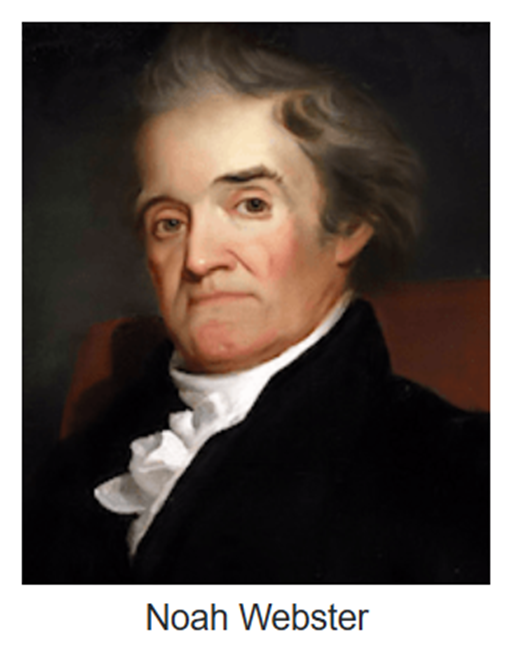
“Education is useless without the Bible.”
Webster’s 1828 Dictionary serves as a primary source for understanding the English language as used during the era of the American Revolution and the drafting of the Constitution. His approach was deeply scholarly and systematic. He spent ten years comparing the roots of words across 26 languages to understand the “genuine principles” of language construction. This etymological research was a radical departure from previous dictionaries and allowed him to trace words to their primary sources. These comprehensive etymologies are often excluded from modern dictionaries.
- Availability: It is accessible online for free at sites like 1828Dictionary.com and webstersdictionary1828.com. It can also be accessed or downloaded for free below!
- Content: The text includes over 6,000 Bible references and examples from classical literature, historic documents, and the Bible itself.
- Significance:
> The 1828 Dctionary is a popular resource in homeschooling and classical education circles, where its emphasis on moral education, etymology, and a standardized American language aligns with curricula focused on history, literature, and civic virtue.
> It is used as an essential tool for Bible study by Christian Scholars and students because Webster, a devout Christian, based his definitions heavily on the King James Bible. It contains over 6,000 biblical references and provides definitions for words like “sin,” “marriage,” and “education” from a Christian worldview, which many users contrast with modern secular dictionaries.
> Researchers studying early American history, literature, and language use it as a primary source to understand the vocabulary and ideas of the 18th and 19th centuries, including the work of authors like Emily Dickinson who used Webster’s dictionaries.